Nothing said “GLS”
Each shop named pickup its own way, with its own icon, and nothing tied it to GLS.
Shoppers already used lockers, but in the 32 checkouts I audited they met GLS pickup under six names. GLS didn’t own most of those screens. I wrote a standard for the ones it didn’t and fixed the two it did: the pickup map and the locker.

52% → 80%+
of sampled shops show GLS pickup with correct branding
22% → 53%
of sampled shops make GLS the default delivery, with sales reps
−72%
locker-related calls to the helpline
01 Context
From October 2024, GLS parcels could go to ORLEN Paczka’s lockers and pickup points. Few did, and GLS’s compartments sat almost empty: shoppers knew GLS as the courier at the door.
13,000
lockers and pickup points open to GLS parcels from October 2024: 6,000 lockers and 7,000 points
≈5%
of GLS parcels went to pickup when the project started
83%
of Polish online shoppers name lockers among their most-used delivery methods
The business question
How could GLS fill those lockers?
GLS earns on each parcel it delivers, and it rents compartments in a network other carriers use too. The lockers were there; the question was how shoppers would pick them for GLS parcels.
Who I worked with
GLS earns on every parcel. When more shoppers choose GLS pickup at checkout, more parcels go to the lockers GLS already rents. Fewer calls about the locker lower the cost per parcel.
The number this case is about
More shops and shoppers choose GLS at checkout.
Secondary
More parcels go to a locker or pickup point instead of the door, and fewer recipients call the helpline.
Not here
People pay for services in the app, such as sending a parcel. That is not this case.
I designed for all four. Where GLS didn’t own the screen, my product was a standard other people apply.
I designedA checkout standard and a merchant guide
I designedHow a shopper finds and confirms a point
I designedCollection: the code and remote opening
I designedThe rework of the touchscreen flow, after launch
Who owns it
Shops own the checkout. Each shop sets up delivery in the plugin of its e-commerce platform, so the standard had to be easy to copy and keep.
The lockers are shared. ORLEN Paczka runs the network, and GLS rents compartments in lockers that other carriers use too.
02 Problem
Shoppers could drop out in three places between the checkout and an open locker door.
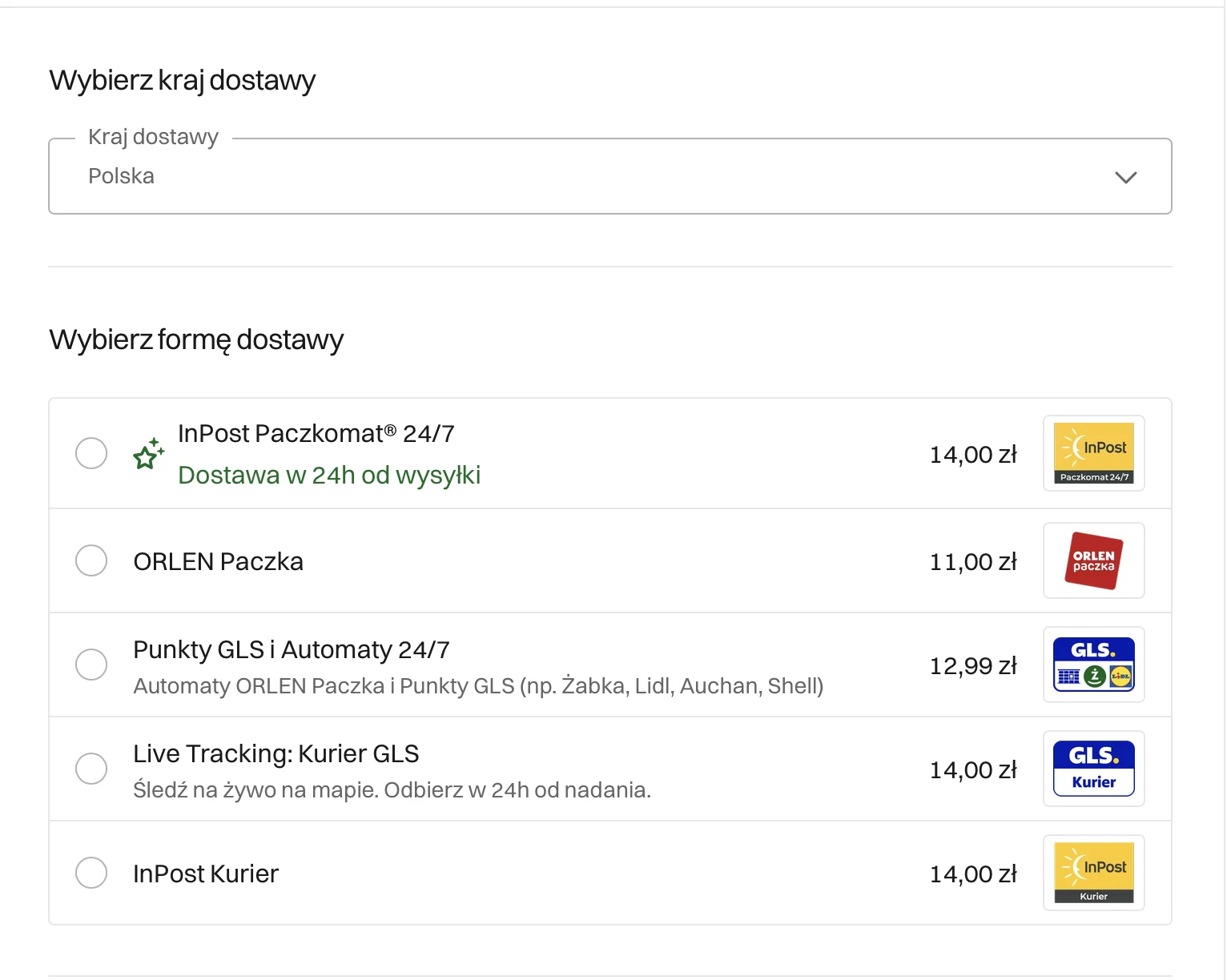
Each shop named pickup its own way, with its own icon, and nothing tied it to GLS.
In 4 of 32 checkouts the map failed on phones. Without a point, there was no order.
Once the door opened, the screen offered only “Dalej” (Next). Anyone stuck had to call the helpline.
What shoppers neededTo recognise GLS pickup in any checkout, and to finish at the locker on their own.
03 Discovery
I started where shoppers meet pickup, in shops’ checkouts, then asked the people who sell it and the shops that offer it.
Checkout audit
32 GLS client shops
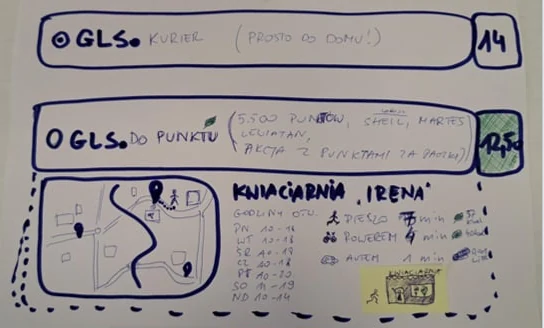
FactSposób dostawy
A composite of the audit, redrawn as a lo-fi sketch; grey lines stand for descriptions.
Checkout audit · 32 GLS client shops
What shoppers saw at checkout
Six names for one serviceShops called it Szybka Paczka, Parcel Shop, Punktomat and three more names.
Five icons, and the GLS logo wrong in 48%Old branding or a broken implementation.
No order, no rulePosition in the list, default selection and the delivery time text changed from shop to shop.
A map that failed on phones in 4 of 32Without a point, the shopper couldn’t complete the order.
My readingNothing in the checkout told shoppers it was GLS.
Workshop
31 July 2024 · Sales, Communications & Promotion, IT, Solutions Development
Signal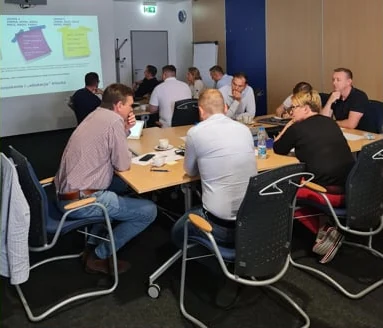
My readingReps already sold pickup by place, lockers and Żabka stores, and needed one name and one rule to point to.
Shop survey
22 shops, sent by sales reps
SignalDelivery that matters most for the shop’s sales
Number of shops choosing each method; up to three answers per shop.
Why shops rated GLS pickup weak or average
“Few points, and customers don’t know the service.”
„Mała ilość punktów, nieznajomość usługi przez klientów”
“Poor points, poor locations, little interest from customers.”
„Kiepskiej jakości punkty, kiepska lokalizacja punktów, niskie zainteresowanie klientów.”
My readingShops ranked prepaid lockers level with the courier. Those that rated GLS pickup low blamed recognition and the network. Even the survey called the service “Szybka Paczka”.
If GLS pickup looks the same in every checkout and is named after the place shoppers know, they will choose it. If the locker always offers a next step, they will finish without calling.
The design goal
GLS pickup that shoppers recognise in any checkout and finish at the locker on their own.
04 Decisions
Three decisions, one for each place shoppers dropped out. Where GLS didn’t own the screen, the decision became a standard.
Decision 1 of 3
ContextEach shop set up delivery in its own checkout and named GLS pickup itself. Whatever I chose had to work in checkouts GLS doesn’t own.
The questionWhat should GLS pickup be called in checkouts GLS doesn’t own?
Not chosen · A · Keep each shop’s name. Six names stay, and nothing ties them to GLS.
Not chosen · B · An umbrella brand, “GLS Bliżej Ciebie”. One more name for shoppers to learn.
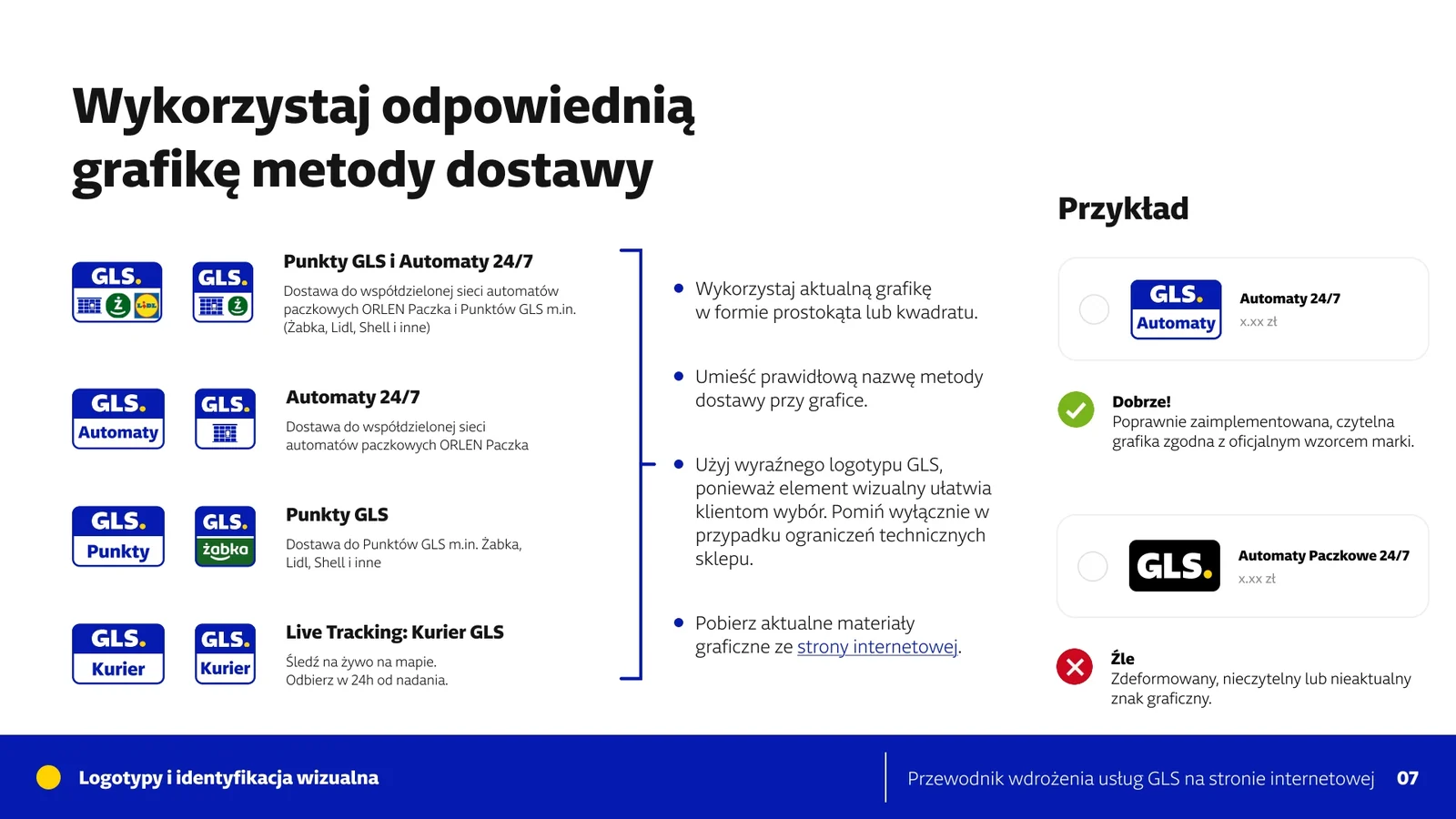
Chosen · C · Name the place, with partner logos. “Punkty GLS”, “Automaty 24/7”, or both in one option, each with its icon.
Why I chose itShoppers choose pickup by where they’ll collect, and sales reps already sold it that way. A new brand would have been one more name to learn.
The three options of the standard
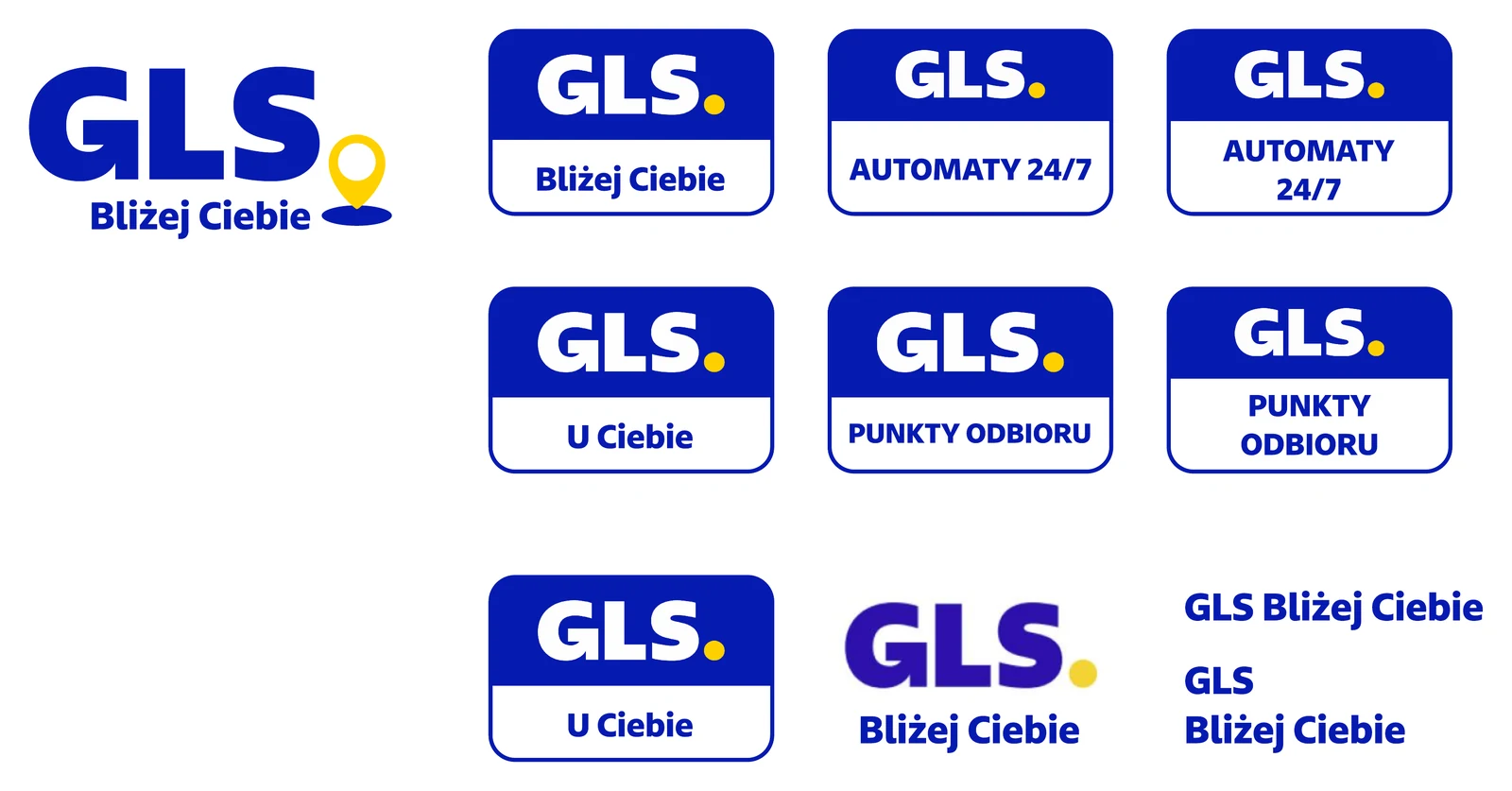
Not chosen: the umbrella brand “GLS Bliżej Ciebie” and badges with text instead of partner logos.
Chosen: the place, with partner logos
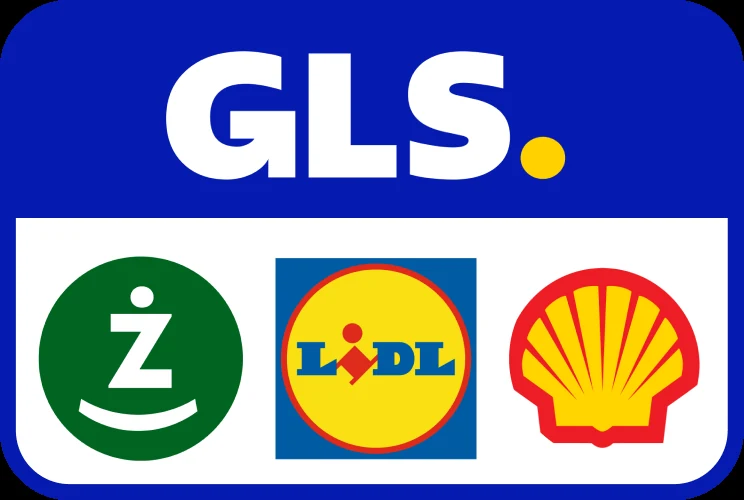
Punkty GLS
GLS points: Żabka, Lidl, Shell and others
Automaty 24/7
Lockers, open around the clock
Punkty GLS i Automaty 24/7
Both in one option
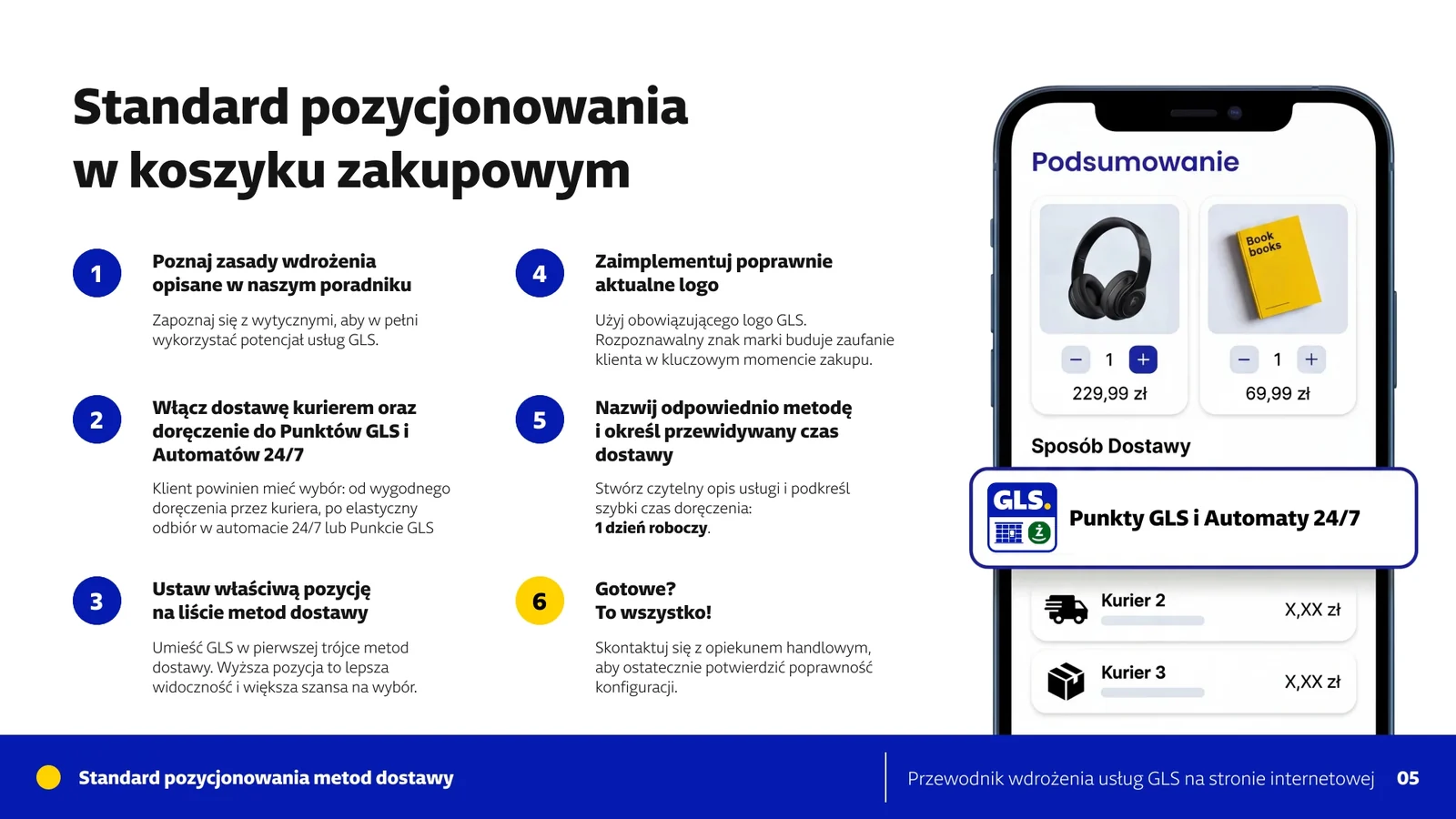
Where the option sits: the checkout page of the shop guide.
Decision 2 of 3
ContextIn the first version of the map, a point’s details opened in a floating card. On a small phone it could push “Wybierz punkt” (Choose this point) off the screen.
The questionHow does a shopper confirm a point on a small phone?
Not chosen · A · Keep the floating card. “Wybierz punkt” can fall below the screen.
Chosen · B · A bottom sheet. The details sit in a panel fixed to the bottom edge, with “Wybierz punkt” always in reach.
Why I chose itWithout a confirmed point, the shop can’t take the order. A panel on the bottom edge keeps the button in reach on any screen size.
Choosing a point, before and after
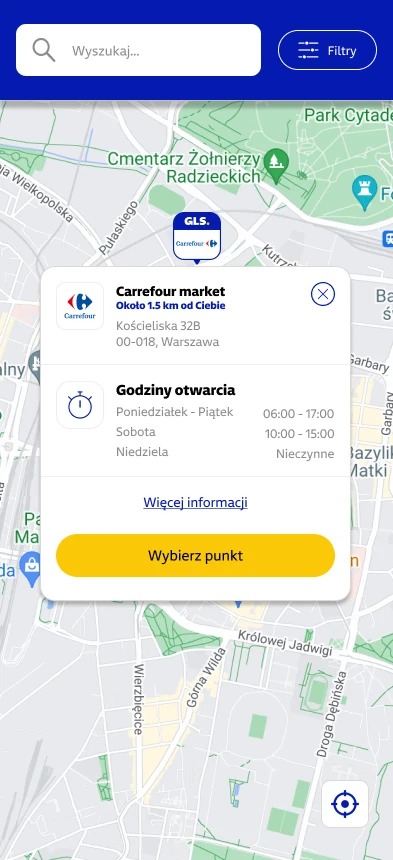
First version: a floating card
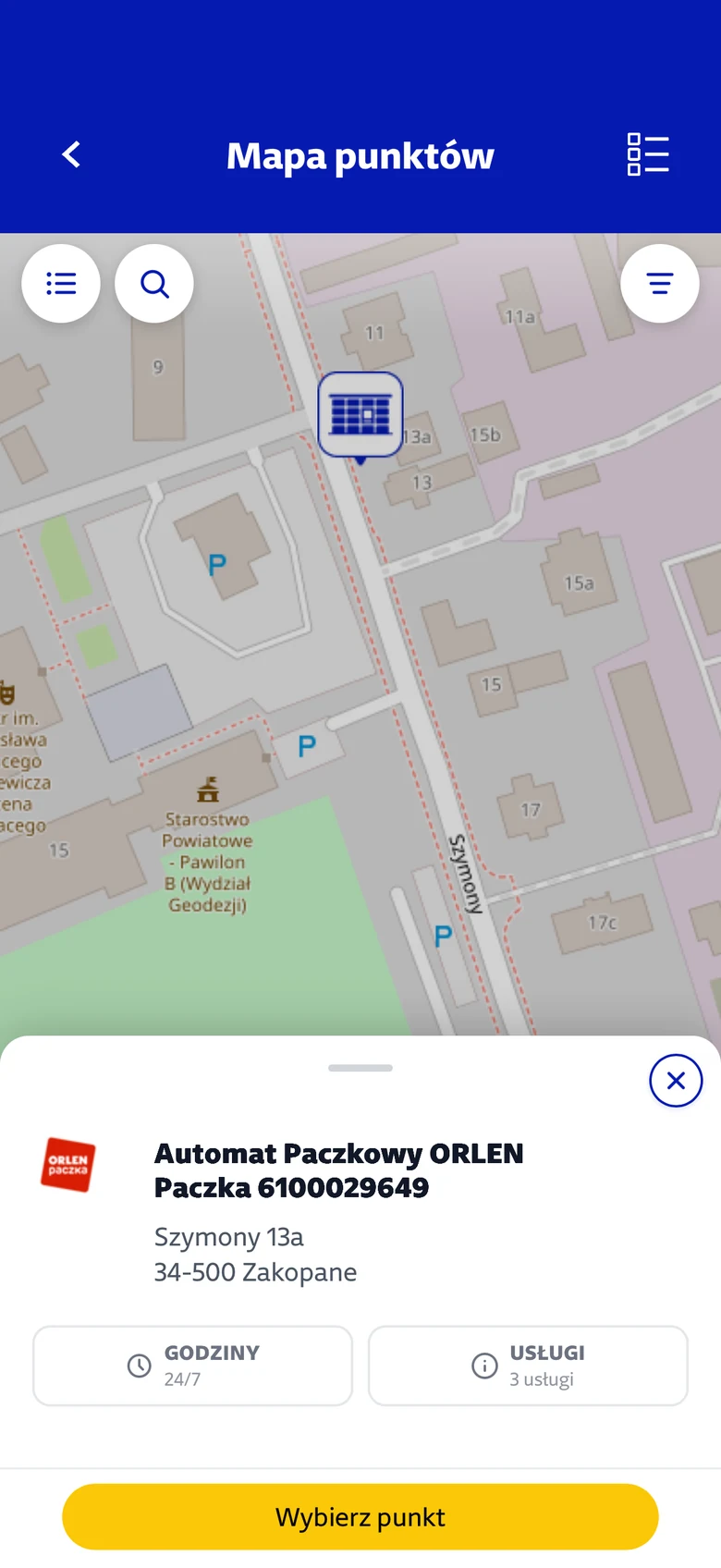
Shipped: a bottom sheet
Decision 3 of 3
ContextORLEN Paczka’s team built the first GLS flow on its locker screen, without a designer. After launch, recipients got stuck once the door opened: the only button was “Dalej” (Next). I took the flow over.
The questionWhat should the screen offer once the door opens?
Not chosen · A · Keep “Dalej”. A recipient who can’t find the parcel or close the door has nowhere to go but the helpline.
Chosen · B · Ask what they want to do. “Kończę” (I’m done), “Otwórz skrytkę ponownie” (Open the door again) or “Potrzebuję pomocy” (I need help), then what went wrong.
Why I chose itA recipient at the locker has no one to ask. The screen covers the cases “Dalej” ignored: opening the door again and getting help.
The locker screen after the door opens
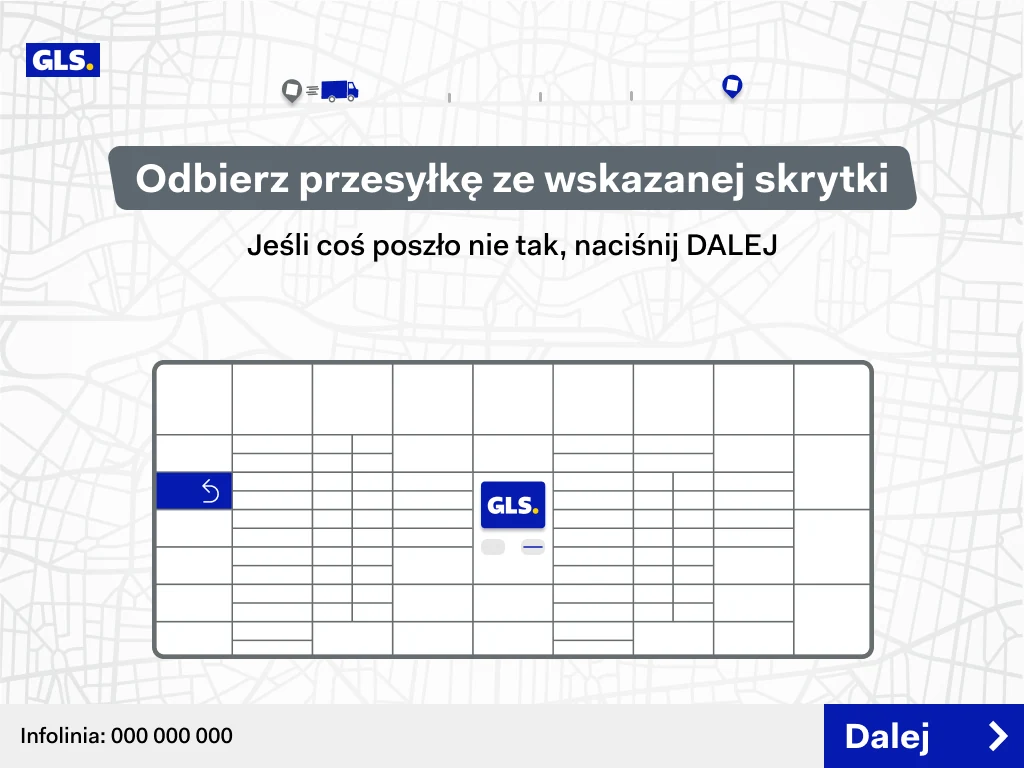
First version: one way on, “Dalej”
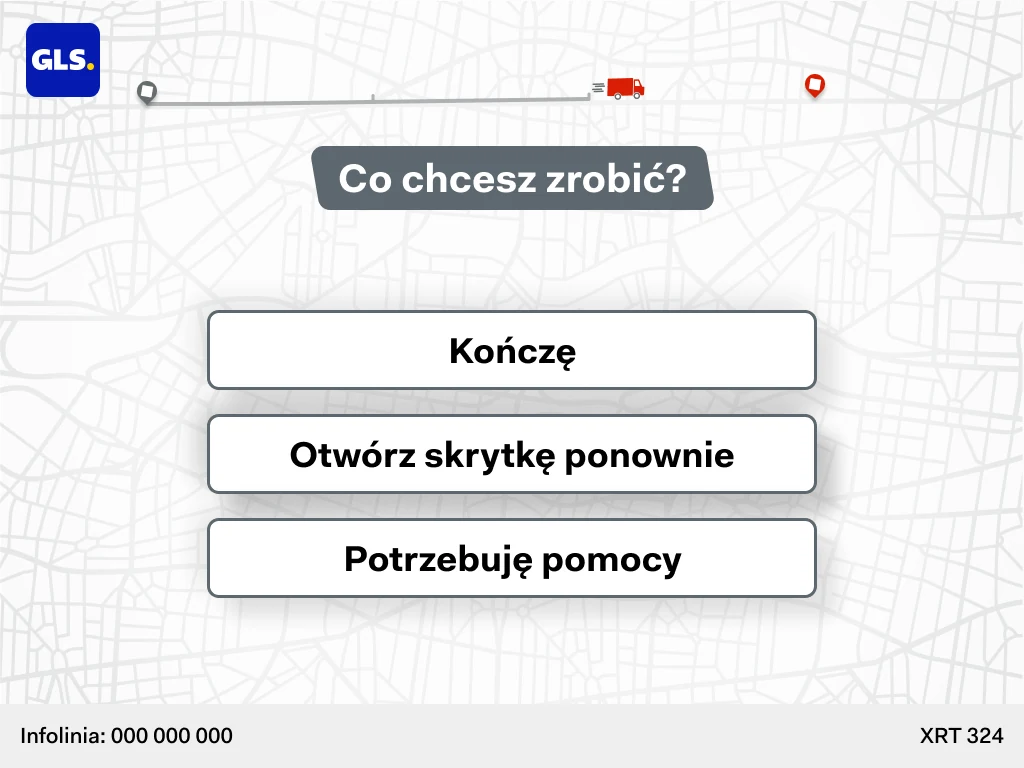
What do you want to do?
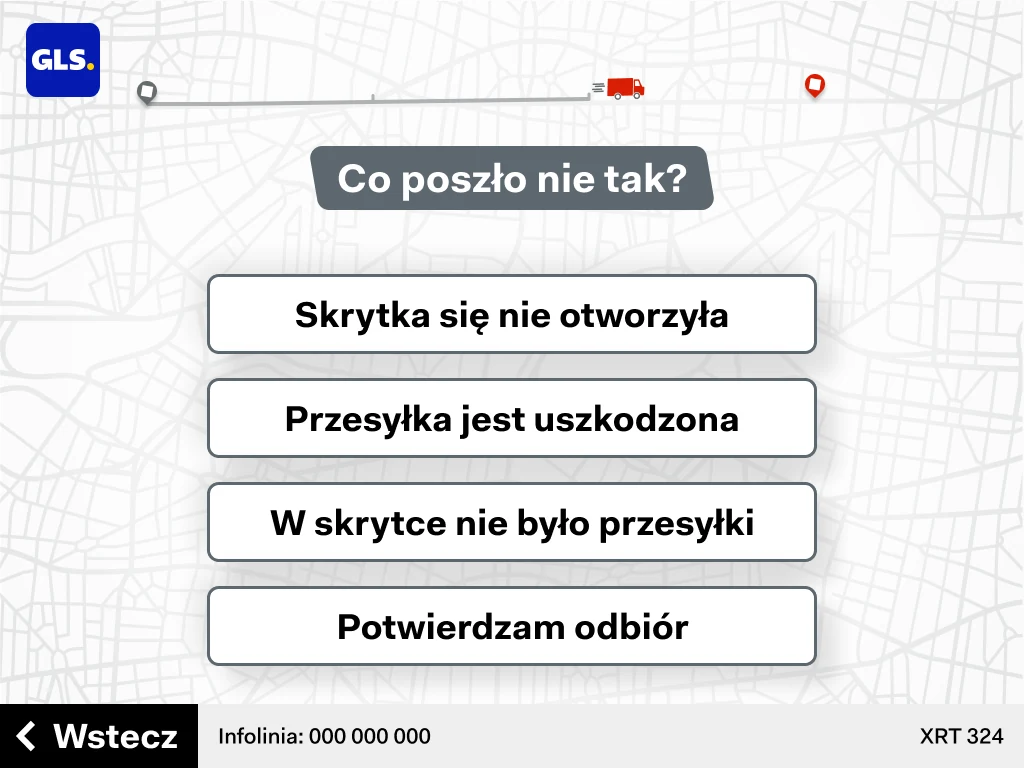
What went wrong?
How it shipped
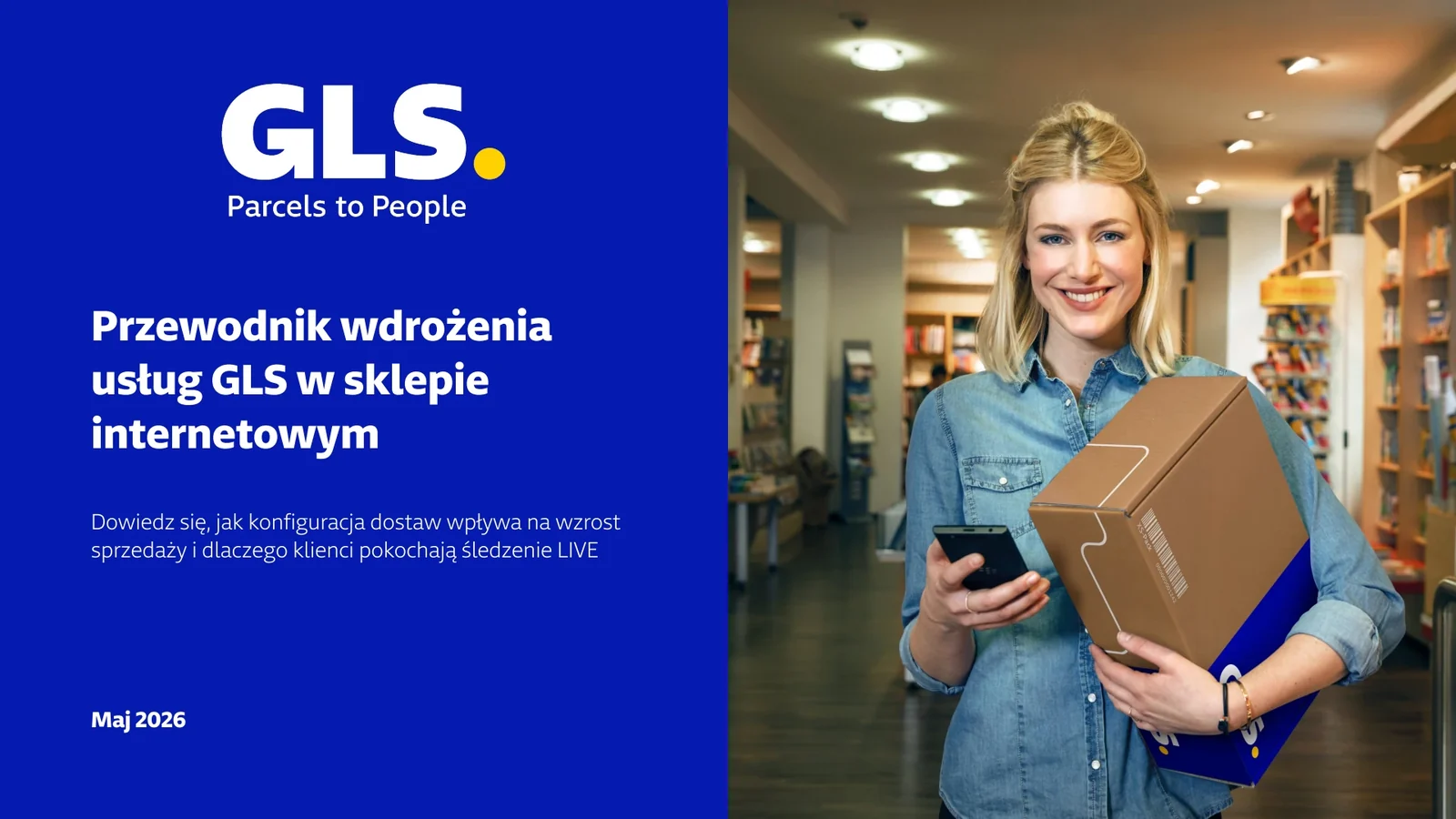
The standard shipped as a guide that shops and sales reps use together.
Each option comes with artwork and Polish copy a shop can paste in, and sales reps check a shop’s setup against the same pages.
The guide is a PDF on the GLS website. GLS Communications & Promotion owns it and updated it in May 2026.
05 Testing
I tested the icons in 8 live checkouts. The map and the locker were checked after release, from comments and reports.
Icon test · 8 shops
With the shops’ consent, two icon versions took turns in 8 checkouts, and we counted how often shoppers chose the option.
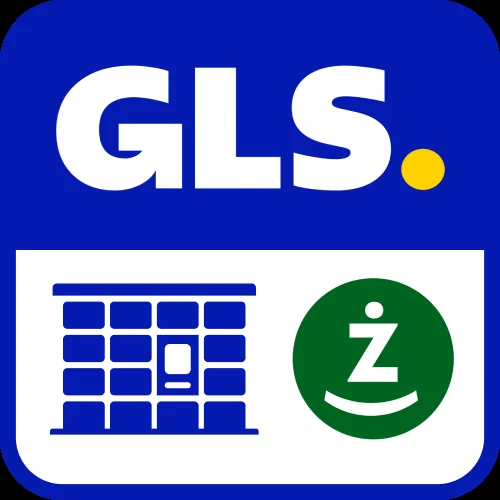
The winner, GLS above a locker and Żabka, is the icon in the guide.
Map · after release
After the bottom sheet shipped, shoppers’ comments about the map stopped.
Locker · after launch
Recipients reported getting stuck once the door opened. Those reports led to the new locker screen.
06 Outcomes
The standard shows in shops’ checkouts, the locker in helpline calls. The growth in pickup is a company result, with more causes than the design.
What shops show now
80%+
Dec 2025 · 32 shops, sampled three times and averaged
Rolled out with sales reps, who check each shop against the guide.
GLS as the default delivery
22% → 53%
of sampled shops pre-select GLS at checkout.
Correct names
64%
of sampled shops also use the correct names and description. Shops keep an icon once it’s set, but rename delivery options more often.
At the locker
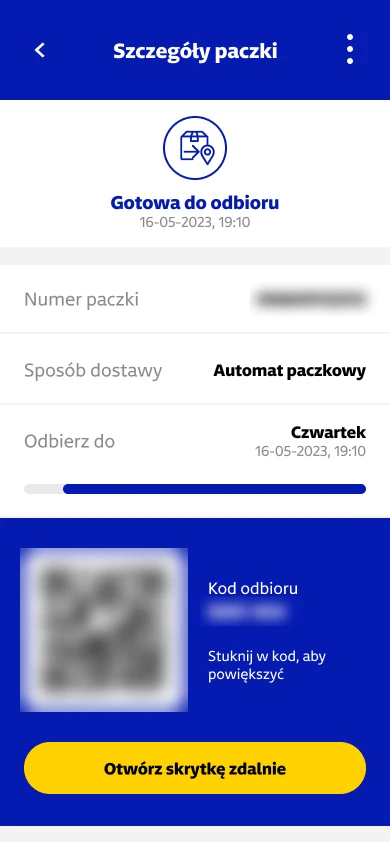
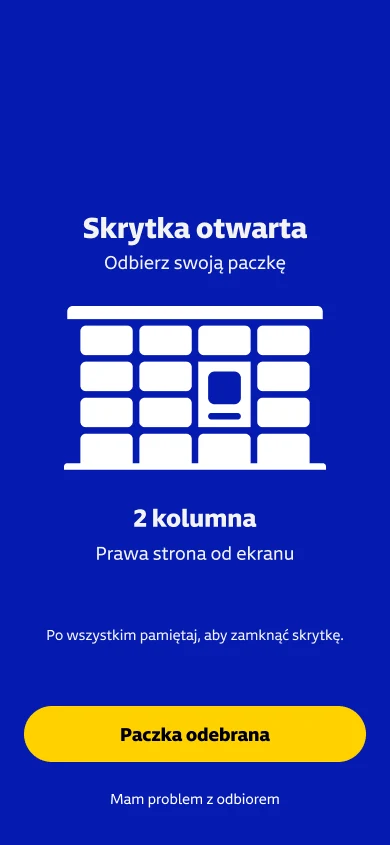
Locker-related calls fell by 72% after the new locker screen. 66% of locker pickups now open from the parcel card; the code stays for those who use the touchscreen.
Company results, with more causes than the design.
Share of GLS parcels going to pickup
≈5% → 12%
From the project start to early 2026.
Pickup network in Poland
No. 3
Counting GLS points and lockers together. GLS keeps ordering more compartments.
What I can claim
Other factors
07 Reflection
Three lessons, each tied to a chapter above.
The locker rework came from reports after launch. A short field test at a few lockers would have caught the “Dalej” dead end before recipients met it.
From 04 DecisionsWhere GLS has no screen, a standard only works when someone applies it. The guide and the sales reps did that, so I’d bring them in from the first draft.
From 06 OutcomesWe measured how shops set up their checkouts. Apart from the icon test, we didn’t measure what shoppers chose.
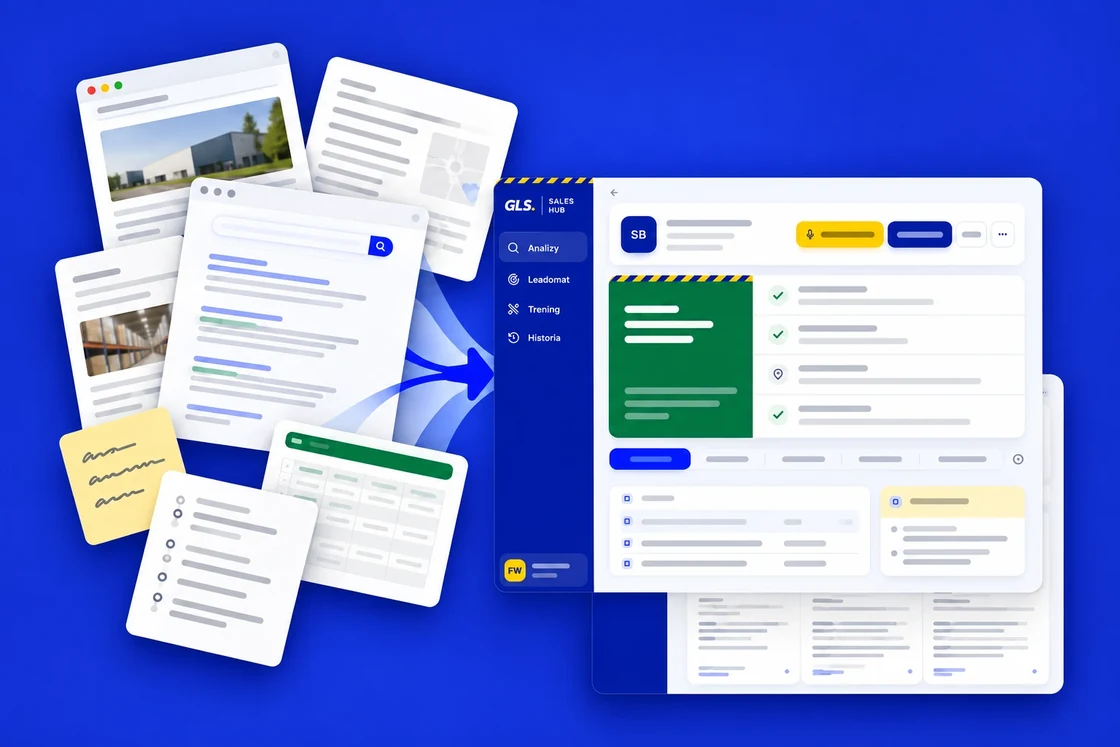
From 05 TestingWhy some results are from 2026. My UX role ended in October 2025, when I moved on to build the AI Sales Hub for GLS. GLS measured the shops’ checkouts in December 2025 and reported the 12% in early 2026. GLS Communications & Promotion updated the guide in May 2026.
Contact
I’m looking for a product design role where I can work directly with users and help the team decide what to build next. I’m based in Poznań and open to remote work, hybrid roles or relocation.